




THE RETURN OF TRADITIONAL CUISINE: WHY ARE VIETNAMESE FAMILY MEALS BECOMING INCREASINGLY POPULAR AMONG YOUNG PEOPLE?
Culinary trends among young people are changing
No longer just searching for novel dishes
For many years, fine dining, fusion cuisine, Western cuisine, or uniquely styled cafes have always been on the priority list of many young people when looking for a dining experience. Not just to enjoy the food, these locations also become spaces for meeting, checking in, and discovering new culinary trends.
The development of social media has also contributed to driving this trend. Beautifully presented dishes, restaurants with impressive designs, or novel experiences quickly attract the attention of young people, making culinary exploration a part of their lifestyle.
Young people are starting to care more about cultural values in cuisine
If in the past, a meal was often chosen based on novelty or trendiness, today, many young people are seeking experiences with more value. They are not only interested in whether the food is delicious but also want to understand the origin of the dish, the story behind each recipe, as well as the cultural features preserved through each flavor.
Therefore, traditional Vietnamese cuisine is gradually becoming a favorite choice for many. Familiar dishes, family meals, or regional specialties not only provide a taste experience but also open up opportunities to explore the cultural identity of each locality. For many young people, enjoying a traditional dish is also a way to connect with history, people, and values that have been preserved through many generations.

Particularly when traveling, many young people prioritize finding restaurants serving local cuisine instead of just choosing familiar international dishes. Because they believe that to understand a land, one should start with the very dishes that have nourished the people there.
Why does the Vietnamese family meal always have a special appeal?
Not just food, but memories of many generations
What creates the appeal of a Vietnamese meal lies not only in the flavor but also in the memories associated with it. A full meal with braised dishes, vegetables, a bowl of soup, and a small bowl of dipping sauce not only nourishes the palate but also preserves the image of family meals, where everyone gathers, shares, and connects after a long day.
Therefore, when mentioning traditional Vietnamese cuisine, many people remember not just a specific dish, but also the familiar feeling of the meals that accompanied them throughout childhood. That is also why the Vietnamese family meal always holds a special place in the hearts of many generations, even as culinary trends constantly change.
A full meal always carries the meaning of reunion
In Vietnamese culture, a complete meal is not just about the abundance of dishes, but also the presence of loved ones. It is the time when the whole family sits together, serves each other every dish, asks about each other’s stories after a long day, and enjoys peaceful moments together.
Perhaps that is why, amidst an increasingly busy life, gathering for meals becomes even more precious. Not only nourishing the taste buds, the Vietnamese meal also nurtures connection, so that every meal becomes a memorable moment of reunion.
Each dish has a role in a Vietnamese meal
In a Vietnamese meal, it is rare for there to be only one standout dish. Braised dishes bring bold flavors, vegetables create balance, a bowl of soup helps complete the meal, and the dipping sauce is the thread that connects all the flavors on the tray. Each dish has its own role, contributing to the harmony of the entire meal.
Perhaps it is that very completeness that creates the characteristic feature of traditional Vietnamese cuisine. It is not about sophistication or luxury, but the way simple dishes combine to create a complete meal where everyone gathers and shares.

How are young people continuing traditional culinary values?
Returning to the flavors they grew up with
Amidst countless modern culinary options, more and more young people are actively seeking out traditional Vietnamese dishes and familiar family meals. Not only to enjoy the flavors they have been attached to since childhood, but it is also a way for them to connect with their childhood, family, and cultural values that have been preserved through many generations.
This trend also reflects a change in how young people experience cuisine. Instead of just looking for novel dishes, they are starting to appreciate familiar flavors – dishes that carry memories, stories, and the identity of their homeland.
Experience to better understand Vietnamese culture
Every land has a story told through its cuisine. From local ingredients and seasoning methods to the culture of gathering around a meal, all contribute to the unique identity of each region.
Therefore, many young people today choose to experience traditional Vietnamese cuisine as part of their journey of discovery. Not only to enjoy characteristic flavors, they also want to understand more about the culture, people, and values preserved through each dish.

Each meal is a way to preserve heritage
Heritage is not only preserved in buildings or festivals but also present in the simple things of life, like a Vietnamese meal. Each dish, each preparation method, and each gathering for a meal is the crystallization of experience, culture, and values passed down from one generation to another.
When young people choose to enjoy and appreciate traditional Vietnamese cuisine, they are not only finding familiar flavors but also contributing to the continuation of those values. It is a way for culinary heritage to not only be preserved in memory but also to continue to be present in today’s life.
Experience Vietnamese Rice on a wooden tray at Danaksara Restaurant
If you are looking for a traditional Vietnamese culinary experience in the heart of Da Nang, Vietnamese Rice on a wooden tray at Danaksara Restaurant is a suggestion worth exploring.
Inspired by Vietnamese family meals, each tray is meticulously prepared with a full range of braised dishes, vegetables, a bowl of soup, and typical Central Vietnamese dishes. Not only focusing on flavor, Danaksara also preserves the spirit of a true meal – where everyone gathers, shares, and enjoys time together.

Located amidst the peaceful green villa space of Furama Villas Danang, Danaksara offers a different experience, where diners not only enjoy traditional dishes but also feel the beauty of Vietnamese culinary culture in every detail, from the arrangement on the wooden tray to the meticulousness in each dish.
For travelers who want to explore Central Vietnamese cuisine, or those far from home wishing to find familiar flavors, Vietnamese Rice on a wooden tray at Danaksara is not just a meal, but a journey connecting with memories, family, and values passed down through generations.
📍 Furama Villas Danang, 107 Vo Nguyen Giap, Ngu Hanh Son District, Da Nang City.

Da Nang’s Hotel Market Strongly Recovers, but Pressure from New Supply Looms
The Da Nang hotel market is entering a clear recovery phase after years of volatility, with occupancy rates, average room rates, and revenue per room all increasing sharply. However, the wave of new projects under construction could soon put significant pressure on the market’s absorption capacity.
According to the Danang Hospitality Submarket Report published by CoStar on June 23, 2026, hotel occupancy in Da Nang over the last 12 months reached 66.1%, the average daily rate (ADR) reached $116, and RevPAR – revenue per available room – reached $77.
This recovery momentum shows that accommodation demand in Da Nang has returned relatively strongly. In 2025, the market recorded more than 5.1 million room nights sold, an increase of 12.2% compared to the previous year. This is a positive signal for hotel owners after the deep decline during the pandemic.
However, the recovery picture is not entirely uniform. Compared to 2019, occupancy has now approached and even slightly exceeded pre-pandemic levels, but the average daily rate remains significantly lower. In 2019, the market-wide ADR reached $128.66. This indicates that while Da Nang has recovered well in terms of visitor volume, the pricing power of hotels has not yet returned to its previous peak.
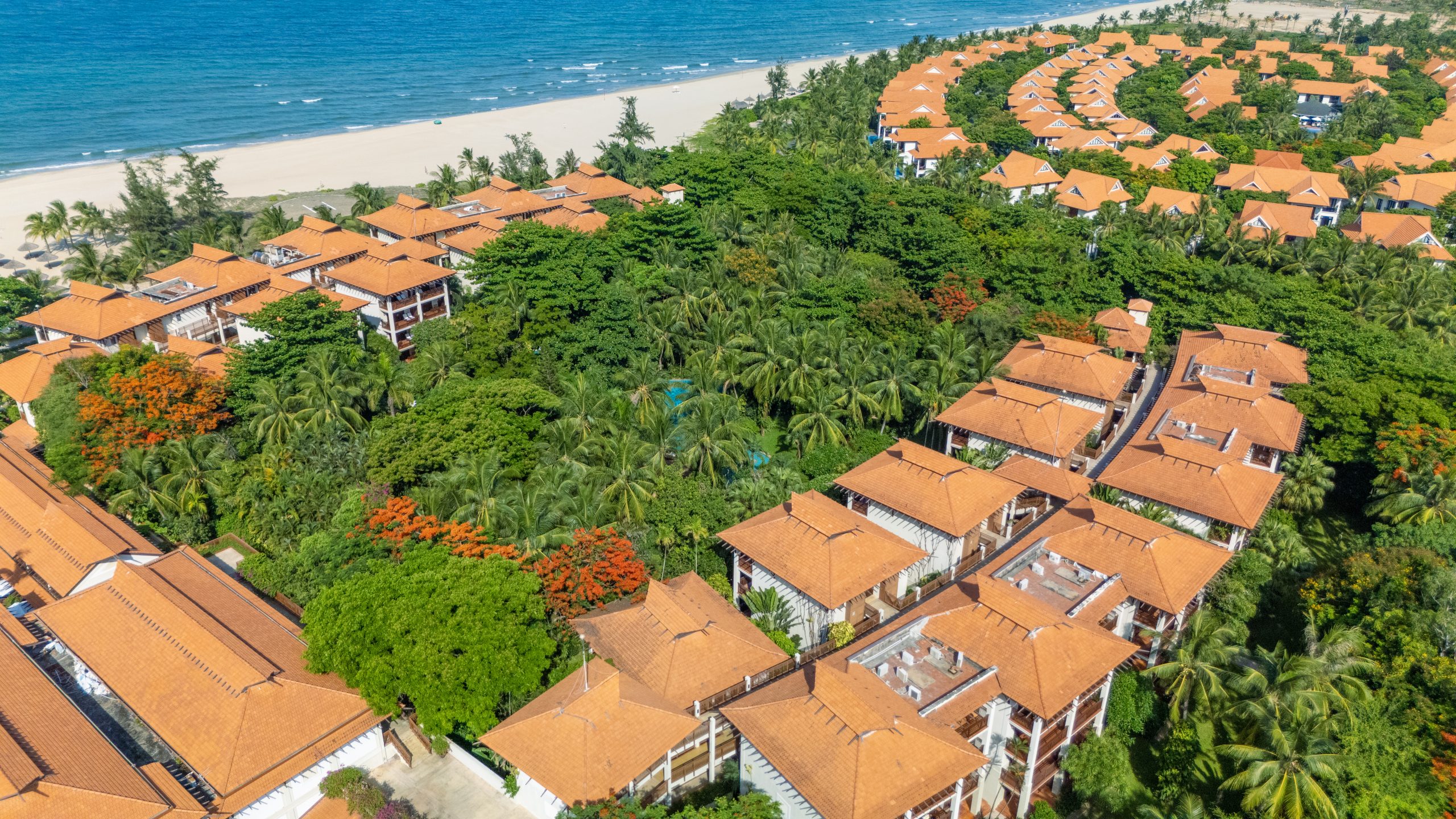
The high-end segment continues to be a bright spot
The high-end segment continues to be a bright spot. The Luxury & Upper Upscale group achieved a 12-month occupancy of 70.8%, an ADR of $186, and a RevPAR of $131, far exceeding the market average. Meanwhile, the Upscale & Upper Midscale group is the largest in size with over 12,300 rooms, but RevPAR only reached $46, reflecting higher competition in the mid-to-high-end segment.

New supply becomes the greatest pressure
The biggest risk currently lies in new supply. The report recorded 18 hotel projects under construction, totaling 6,835 rooms, equivalent to 30.6% of the market’s total existing rooms. This is a very large pipeline ratio for a tourist destination like Da Nang. If visitor numbers do not continue to grow strongly in the coming years, the market could face pressure from declining occupancy and price competition.
Some large-scale projects in the pipeline include Trademark Collection by Wyndham with 1,185 rooms, Holiday Inn Danang Ba Na Hills with 835 rooms, Holiday Bana Hills Resort with 835 rooms, Ibis Styles Nam An Danang with 720 rooms, voco Danang Ba Na Hills with 636 rooms, and Crowne Plaza Danang Ba Na Hills with 604 rooms. Notably, many projects are concentrated in the Ba Na Hills – Hoa Vang area, showing a trend of expanding supply beyond the traditional coastal areas.
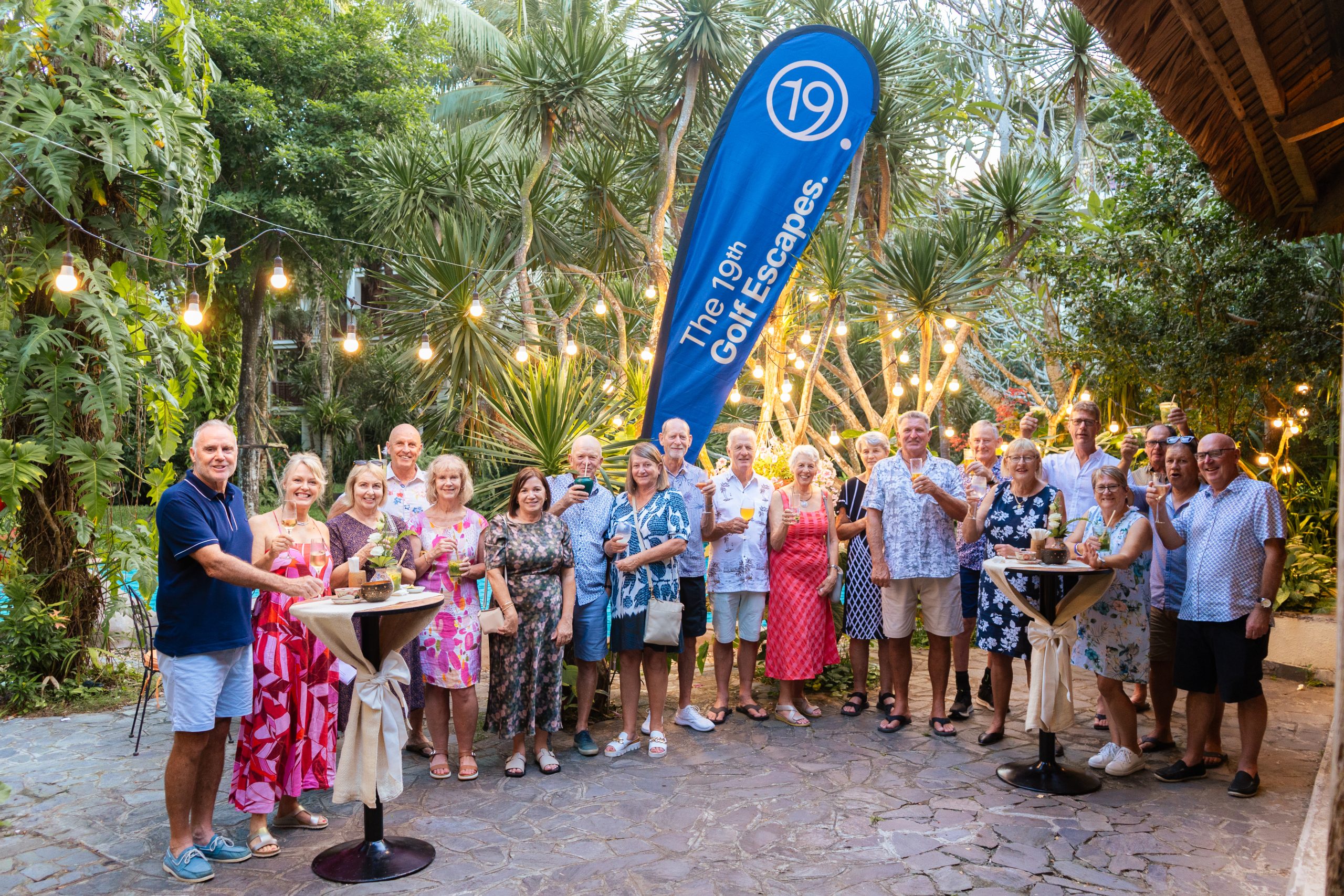
Product differentiation will determine competitiveness
Overall, the Da Nang hotel market is at a pivotal point: demand has recovered, the high-end segment is performing well, but new supply could shift the competitive balance from late 2026 onwards. For developers, the challenge is no longer just about adding more rooms, but about creating products distinct enough to maintain prices and fill occupancy in an increasingly crowded market.

Da Nang Tourism Association attends the seminar “Ca Dong Culture – Tra Van Mountainous Tourism Destination
On August 1, 2026, at the Historic Hoi An Hotel, the People’s Committee of Tra Van Commune organized the 1st Workshop “Ca Dong Culture – Tra Van Great Forest Tourism Destination” in 2026, with the theme “Preserving and promoting Ca Dong cultural values associated with sustainable tourism development, developing cinnamon and medicinal herb raw material areas in Tra Van commune.”
The event was attended by representatives of local leaders, experts, scientists, tourism businesses, and units interested in developing community tourism, eco-tourism, cultural tourism, and local products. Representing the Da Nang Tourism Association were Mr. Le Quoc Viet – Vice Chairman of the Da Nang Tourism Association, Chairman of the Quang Land Destination Club, and Mr. Nguyen Duc Quynh – Vice Chairman of the Da Nang Tourism Association, Chairman of the Da Nang Hotel Association.

Potential of a great forest land rich in identity
The workshop was an important occasion to look deeper into the potential of Tra Van – a great forest land rich in Ca Dong cultural identity, with natural landscapes, forest ecosystems, waterfalls, traditional houses, festivals, music, costumes, cuisine, and especially the potential to develop cinnamon and medicinal herb raw material areas and OCOP products associated with sustainable tourism.
Identifying core products and suitable customer segments
At the workshop, Mr. Le Quoc Viet shared that Tra Van’s tourism resources and potential are very clear. The preservation and exploitation of Ca Dong cultural values should be considered a guiding principle throughout the local tourism development process. However, to overcome existing weaknesses such as being far from the center, difficult transportation, and limited tourism infrastructure and services, Tra Van needs to soon identify a different path, selecting core products and specific customer segments for the immediate period.
According to Mr. Le Quoc Viet, instead of spreading development too thin, Tra Van can focus on products that suit its existing natural advantages, notably forest stream trekking associated with Grang Ning waterfall, forest ecosystem experiences, and nature discovery routes. With rich vegetation, characteristic mountain forest space, and Ca Dong community identity, Tra Van can also research and develop tourism programs for learning forest survival skills, experiencing waterfalls, and learning about forest trees, medicinal herbs, and local culture. This could be a specific, different direction, suitable for young groups, nature lovers, students, experiential travelers, and specialized tourism groups.
Connecting travel agencies to turn potential into products
Mr. Le Quoc Viet also emphasized that the commune needs to proactively seek and connect with experienced travel partners to jointly survey, design, test, and exploit suitable tour products. When there are clear products, safe routes, compelling stories, and accompanying travel agencies, Tra Van community tourism will have a better chance of reaching the market, rather than just remaining as potential.
Building a development ecosystem from local resources
Also sharing at the workshop, Mr. Nguyen Duc Quynh believed that Tra Van needs to approach development in an integrated way, not just stopping at cultural preservation or landscape exploitation, but building a new development ecosystem based on local agriculture, community tourism, fragrance tourism, cultural education, and digital transformation.
According to Mr. Quynh, Tra Van has a great advantage in cinnamon, medicinal herbs, and forest resources. Therefore, the locality needs to focus on developing agriculture, cultivation, standardizing raw material areas, and creating products that can be consumed stably. In this regard, the Da Nang Hotel Association can be an important bridge, supporting the connection and consumption of cinnamon products, medicinal herbs, tea, essential oils, and local gifts into the system of hotels, resorts, spas, and sales points serving tourists.

Fragrance tourism – a different direction for Tra Van
A new direction emphasized by Mr. Quynh is the development of fragrance tourism. With strengths in cinnamon, medicinal herbs, forest trees, essential oils, and fresh natural space, Tra Van can completely build experiential products such as visiting cinnamon growing areas, learning about essential oil processing, making scented bags, scented candles, medicinal tea, herbal steam water, spa products, tourism gifts, and fragrance experience journeys of the great forest. This could become a unique distinction of Tra Van on the expanded Da Nang tourism map.
Standardizing services and developing human resources
Regarding the development of resort tourism and community tourism, Mr. Quynh believed that Tra Van needs to pay attention to training, destination management, service standards, environmental hygiene, safety for tourists, cultural storytelling skills, and experience design. The Da Nang Hotel Association is ready to accompany, support consultation, connect experts, train human resources, and share experience in operating accommodation, resort, culinary, and community experience services.
Integrating Ca Dong culture into education
Another important content is the integration of culture into education. Mr. Quynh proposed that Tra Van needs to focus on preserving the language, local knowledge, costumes, music, stories, rituals, and customs of the Ca Dong people through schools, libraries, extracurricular activities, and community education programs. The locality can step-by-step build the Tra Van Cultural Museum or a Ca Dong cultural display space, while adding books, documents, images, and documentary films to local libraries so that the younger generation understands, takes pride in, and continues their heritage.
Digital transformation to bring Tra Van closer to tourists
In addition to preservation and product development, digital transformation is also an urgent requirement. Tra Van needs to build an electronic information portal, destination website, system of images – videos – digital maps, official social media channels, and apply AI in destination introduction, cultural narration, OCOP product promotion, service booking, and connecting with travel businesses. When properly digitized, Ca Dong culture, cinnamon products, medicinal herbs, and Tra Van tourism experiences can reach a wider range of domestic and international tourists.

The beginning of a green and sustainable tourism destination
The workshop “Ca Dong Culture – Tra Van Great Forest Tourism Destination” is not only a scientific-cultural event but also an important first step in the journey of positioning Tra Van as a new destination for green tourism, community tourism, experiential tourism, and cultural tourism in Da Nang city.
With the message “Preserving Heritage – Creating the Future,” Tra Van is facing a great opportunity to turn culture into a foundation, nature into assets, community into subjects, and cooperation into a driving force for sustainable development.

Wellness Retreat In Da Nang: A Journey Of Rejuvenation Amidst Nature
In recent years, the trend of health-oriented tourism has been growing strongly worldwide. Instead of choosing vacations just for sightseeing or simple rest, many travelers want to find a space that helps the body recover, the mind balance, and emotions become more positive after the busy whirlwinds of life.
Da Nang, with the advantage of owning blue seas, a pleasant climate, and a system of high-end resorts, is becoming a destination chosen by many for wellness vacations. Experiences here do not just stop at spa treatments but extend to yoga, meditation, healthy nutrition, outdoor activities, and time connecting with nature in the gentlest way.
If you are looking for a vacation that is both relaxing and helps the body and mind be “refreshed,” a wellness retreat in Da Nang is a choice well worth considering.
Wellness Retreat – A Popular Form of Vacation Today
A wellness retreat is a vacation model built with the goal of comprehensive health care, combining rest, movement, and activities that help balance both physical and mental health. This is not merely a trip to change scenery but also a time for each person to temporarily step away from daily pressures and give more attention to themselves.
A wellness program usually includes yoga, meditation, massage, spa therapy, a nutritional menu, and many activities close to nature. The combination of these elements helps the body recover naturally, while bringing a sense of relaxation and balance after the holiday.
Today, this type of vacation is chosen by many families, business people, and those working in high-pressure environments as a way to maintain a healthy and sustainable lifestyle.

Why Has Da Nang Become an Ideal Destination for Wellness Retreats?
It is no coincidence that Da Nang is seeing more and more resorts developing with a wellness orientation. The city possesses many natural advantages that help create an ideal environment for health care and energy recovery activities.
Blue sea, long sandy beaches, a mild climate, and a rich system of greenery provide a rare fresh atmosphere. These factors contribute to helping visitors relax easily from the moment they set foot in the city. The sound of ocean waves, the cool breeze, and gentle sunlight also create a perfect space for meditation, yoga, or simply enjoying quiet moments with nature.
Besides the landscape, Da Nang also possesses a developed tourism infrastructure with many international resorts, high-quality healthcare services, and convenient connectivity to Hoi An, Ba Na Hills, and the Son Tra Peninsula. This makes it easy for visitors to combine relaxation, exploration, and health care in the same journey.
Experiences That Create a True Wellness Retreat
A wellness holiday is not created by a single service but is a harmonious combination of many different experiences, helping the body be cared for from the outside and the spirit be nourished from within.
Starting the Day with Yoga and Meditation
Starting the morning with yoga or meditation helps the body wake up gently and creates positive energy for the whole day. When breathing is regulated and movements occur slowly, muscles gradually relax, while the mind also becomes more tranquil.
Many wellness resorts include these activities in their daily schedule as an important part of the experience, helping guests easily find balance after periods of stressful work.
Massage and Spa – A Moment of Stillness for the Body
After long trips or many hours of movement, massage is a therapy chosen by many to relax and recover the body. Therapeutic movements help reduce muscle tension, support circulation, and bring a lighter feeling after each treatment.
A quiet space, the scent of natural essential oils, and gentle music contribute to making the spa experience deeper, providing a true period of rest for both body and mind.
Wellness Cuisine – Nourishing from Within
Nutrition is also an important part of the wellness journey. Meals prepared from fresh ingredients, balancing green vegetables, fruits, seafood, and nutrient-rich dishes, help the body absorb energy in a healthier way. Enjoying a meal in a space close to nature also helps every moment become relaxing, contributing to the complete vacation experience.

Nature and Its Role in the Energy Recovery Process
One of the core values of a wellness retreat is the connection with the natural environment. When spending a lot of time by the sea, under green trees, or in a quiet space, the body tends to reduce stress and the spirit becomes lighter.
It could be a morning walk on the beach, a few hours of reading in a tropical garden, or simply listening to the sound of the waves after a long day. These seemingly ordinary experiences contribute to the sense of peace that many are looking for.
Therefore, wellness resorts always prioritize designing open spaces close to nature to enhance the value of each healthcare journey.
V-Senses Wellness & Spa – A Wellness Space Amidst Tropical Nature
Hidden within the lush green grounds of Furama Resort Da Nang, V-Senses Wellness & Spa offers a relaxation space designed according to the philosophy of balance between nature and humans. Every detail, from lighting and natural materials to gentle scents, is aimed at creating a sense of relaxation for guests.
The massage and healthcare treatments here are performed by a team of experienced technicians, combining many therapeutic methods suitable for the rest and recovery needs of each guest.
Alongside the spa experience, guests can also participate in yoga, enjoy the seaside resort space, and explore many other wellness activities within the resort grounds, creating a complete healthcare journey.

When is the Right Time to Join a Wellness Retreat?
You don’t need to wait until your body is exhausted to think about a healing vacation. Signs such as prolonged stress, poor sleep, frequent fatigue, or simply wanting to spend more time for yourself can all be reasons to start a wellness retreat.
Even short breaks of two or three days are enough to help the body regain balance, improve morale, and create positive energy before returning to work and daily life.
A Meaningful Vacation Starts with Taking Care of Yourself
Amidst the pace of modern life, taking time to rest and care for one’s health is increasingly becoming an important part of a balanced lifestyle. A wellness vacation offers the opportunity for the body to relax, the spirit to be regenerated, and for each person to have more quiet moments to listen to themselves.
Whether choosing to spend time at the spa, participating in healthcare activities, or simply enjoying nature in a peaceful space, every experience contributes to a complete vacation. The greatest value of a wellness retreat lies not only in what you experience during the trip but also in the positive energy and sense of balance brought back to daily life.

Tips For Independent Travel To Da Nang: A Detailed Guide For A Perfect Trip
Da Nang is always on the list of Vietnam’s most favorite destinations thanks to the harmonious combination of blue sea, mountains, culture, and modern life. The city possesses a convenient transportation system, many famous attractions, and developed tourism services, making it easy for visitors to plan an independent trip while still having a complete experience.
Whether you are visiting for the first time or have returned many times, Da Nang always brings something new in every season of the year. From mornings watching the sunrise on My Khe beach and the journey to explore the Son Tra peninsula, to evenings walking by the Han River brilliant with lights, each experience contributes to the very unique attraction of the coastal city.
If you are planning to explore Da Nang independently, the guide below will help you easily prepare your itinerary, choose accommodation, attractions, and useful experiences to make your trip smoother and more memorable.
Why Is Da Nang Always a Favorite Destination?
It is no coincidence that Da Nang has been on the list of attractive destinations in Vietnam and the Asian region for many consecutive years. The city possesses a rare advantage when it converges sea, mountains, rivers, and many prominent tourism projects within a very convenient travel range. In just a few days, visitors can combine a beach resort vacation, explore nature, learn about culture, and enjoy a rich culinary scene.
Another big plus is the synchronously developed transportation infrastructure. The international airport is located right in the city center, the wide road system and short distances between attractions make moving around easy. This is also the reason why Da Nang is suitable for many different groups of guests, from families and couples to groups of friends or international tourists.
In addition to famous landmarks, Da Nang also creates a good impression thanks to its clean and beautiful environment, friendly people, and stable service quality. These factors make many tourists not only visit once but also choose to return for their next vacations.
Ideal Time to Travel to Da Nang
Da Nang has a tropical monsoon climate with two distinct seasons: the dry season and the rainy season. Each time of the year carries its own beauty, suitable for different experience needs.
From about March to August is the peak tourist season when the weather is sunny and beautiful, the sea is clear blue, and there is little rain. This is the ideal time for swimming, exploring the Son Tra peninsula, visiting Ba Na Hills, or participating in outdoor activities. However, the number of visitors is also quite large, so tourists should book rooms and services early.
The period from September to November has fewer tourists, and accommodation costs are also more affordable. Although short rains sometimes appear, this is still a suitable choice for those who love quiet spaces and want to enjoy a holiday at a slower pace.
If you come to Da Nang at the end of the year or during major festivals, you also have the opportunity to experience many cultural events, festivals, and special art programs taking place throughout the city.
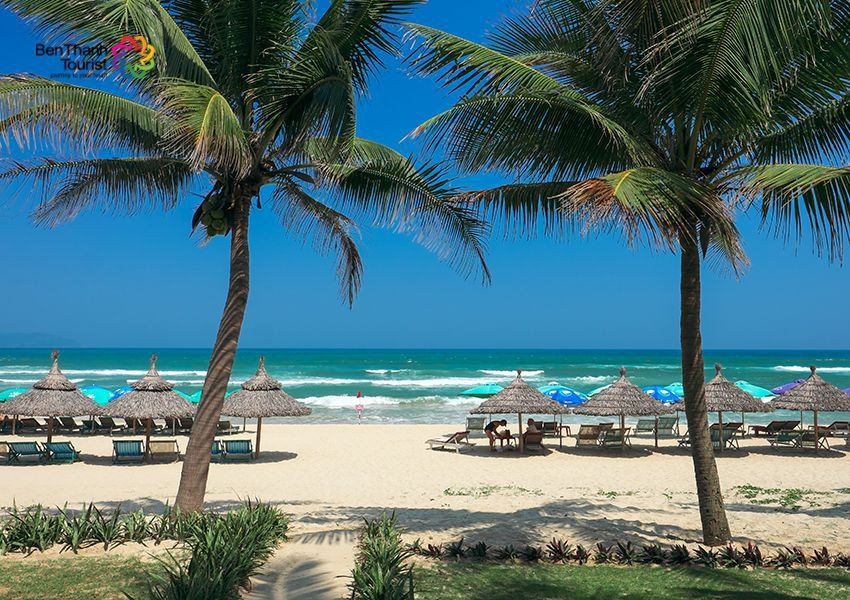
Traveling to Da Nang
As the tourism hub of Central Vietnam, Da Nang has a convenient transportation system, helping visitors easily choose a means of transport suitable for their budget and schedule.
- Airplane: Is the most popular choice thanks to fast travel time and many daily flights from Hanoi, Ho Chi Minh City, and many other localities. Da Nang International Airport is only about 10 minutes away from the city center, so it is very convenient for checking in and starting the journey.
- Train: Suitable for those who want to see the scenery along Central Vietnam. The railway line through Hai Van Pass is rated by many tourists as one of the most beautiful routes in Vietnam with alternating mountain and sea scenery.
- Bus or private vehicle: Is a suitable choice if starting from neighboring Central provinces. The highway and national road system make moving to Da Nang increasingly convenient and time-saving.
Which Area Should You Stay In?
The choice of accommodation will significantly affect the experience throughout the trip. Depending on the purpose of relaxation or city exploration, visitors can consider the following areas.
- Hai Chau Central Area
This is a suitable choice for those who love a vibrant lifestyle and want to conveniently visit famous icons such as the Dragon Bridge, Han River Bridge, Han Market, or Con Market. From this area, visitors can also easily access many restaurants, cafes, and nightlife activities.
- My Khe – My An Beach Area
If you want to spend a lot of time relaxing by the sea, the My Khe – My An area is always a favorite choice for many tourists. This place concentrates many high-end hotels and resorts with sea views, while also conveniently connecting to the city center as well as the Son Tra peninsula.
Among them, Furama Villas Da Nang is a suitable suggestion for families or groups of friends who love private space. Spacious villas with private pools, green campuses, and a location right on Bac My An beach bring a relaxing resort experience, while still being convenient to move to famous city attractions such as Son Tra, Marble Mountains, Ba Na Hills, or Hoi An Ancient Town.
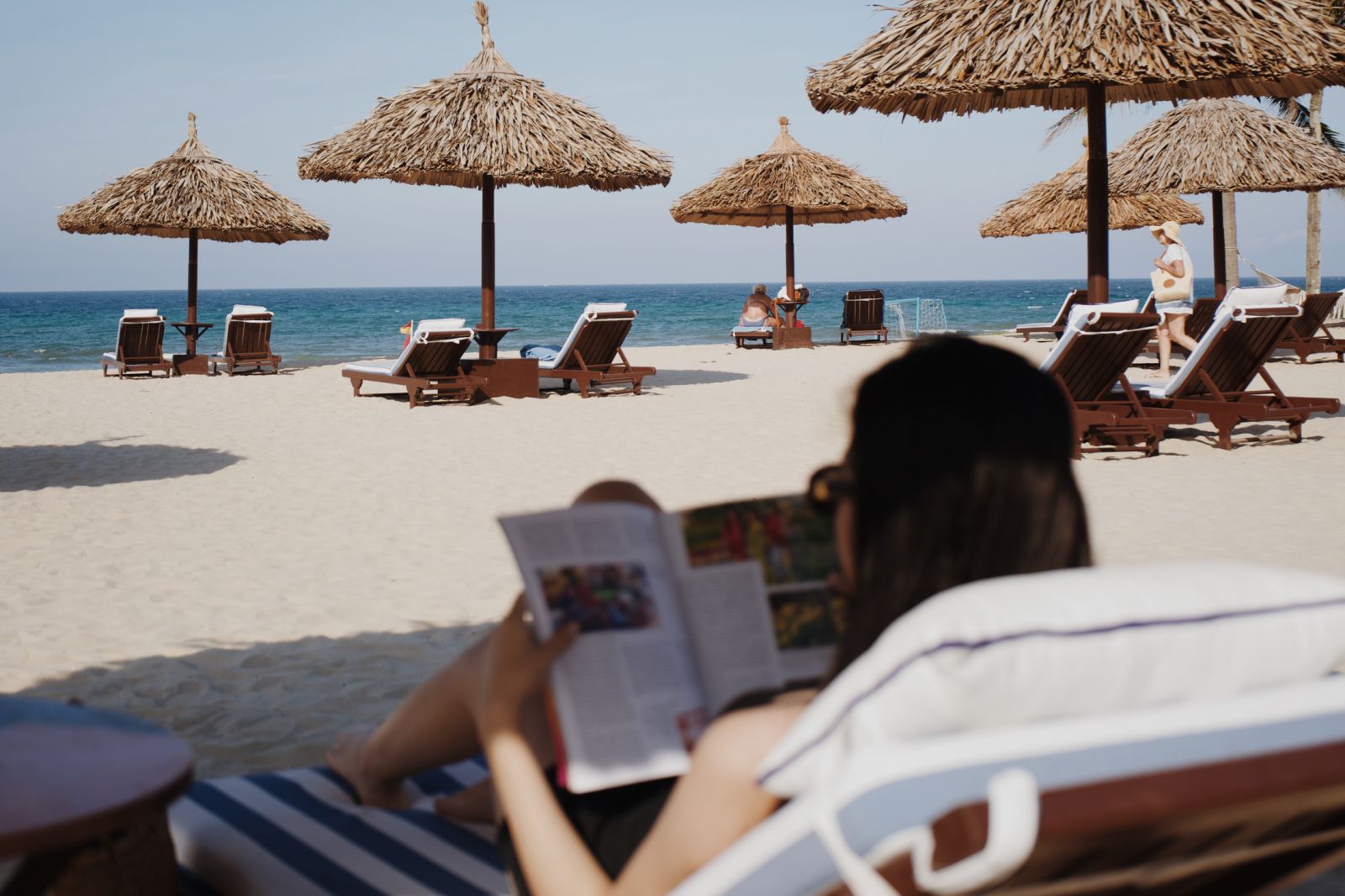
- Ngu Hanh Son Area (Marble Mountains)
This is an area chosen by many tourists when they want to combine relaxation, golf, and exploring famous destinations in Central Vietnam. From here, moving to Hoi An, Non Nuoc beach, or international golf courses is quite convenient, suitable for long vacations.
Must-Visit Attractions
- My Khe Beach
Voted by many international travel magazines as one of the most beautiful beaches on the planet, My Khe is always the first stop for many tourists when coming to Da Nang. The long coastline, fine white sand, and clear blue water create an ideal setting for swimming, walking, or watching the sunrise every morning.
In addition to resting activities, the beach area also has many services such as SUP paddling, jet skiing, parasailing, and seaside cafes with wide views. This is a suitable place to enjoy the characteristic relaxed pace of the coastal city.
- Son Tra Peninsula
Known as the “green lung” of Da Nang, the Son Tra peninsula possesses a rich primary forest ecosystem along with beautiful coastal roads. The journey to explore Son Tra takes visitors through many famous destinations such as Linh Ung Pagoda, Ban Co Peak, Bai But, or the thousand-year-old banyan tree.
From the viewpoints on the peninsula, the entire city of Da Nang appears with a very different perspective, where the sea, mountains, and urban areas blend in the same frame. This is also the home of the red-shanked douc langur – a rare primate species known as the “queen of primates.”
- Ba Na Hills
Ba Na Hills is always on the list of most favorite destinations when visiting Da Nang. The cable car system achieving many world records, the famous Golden Bridge, French Village, Fantasy Park, and the cool climate year-round bring a very different experience compared to the city center.
Visitors should spend a whole day exploring the architectural works, amusement parks, and enjoying the cuisine here to fully feel the beauty of the tourist area on the top of Nui Chua.
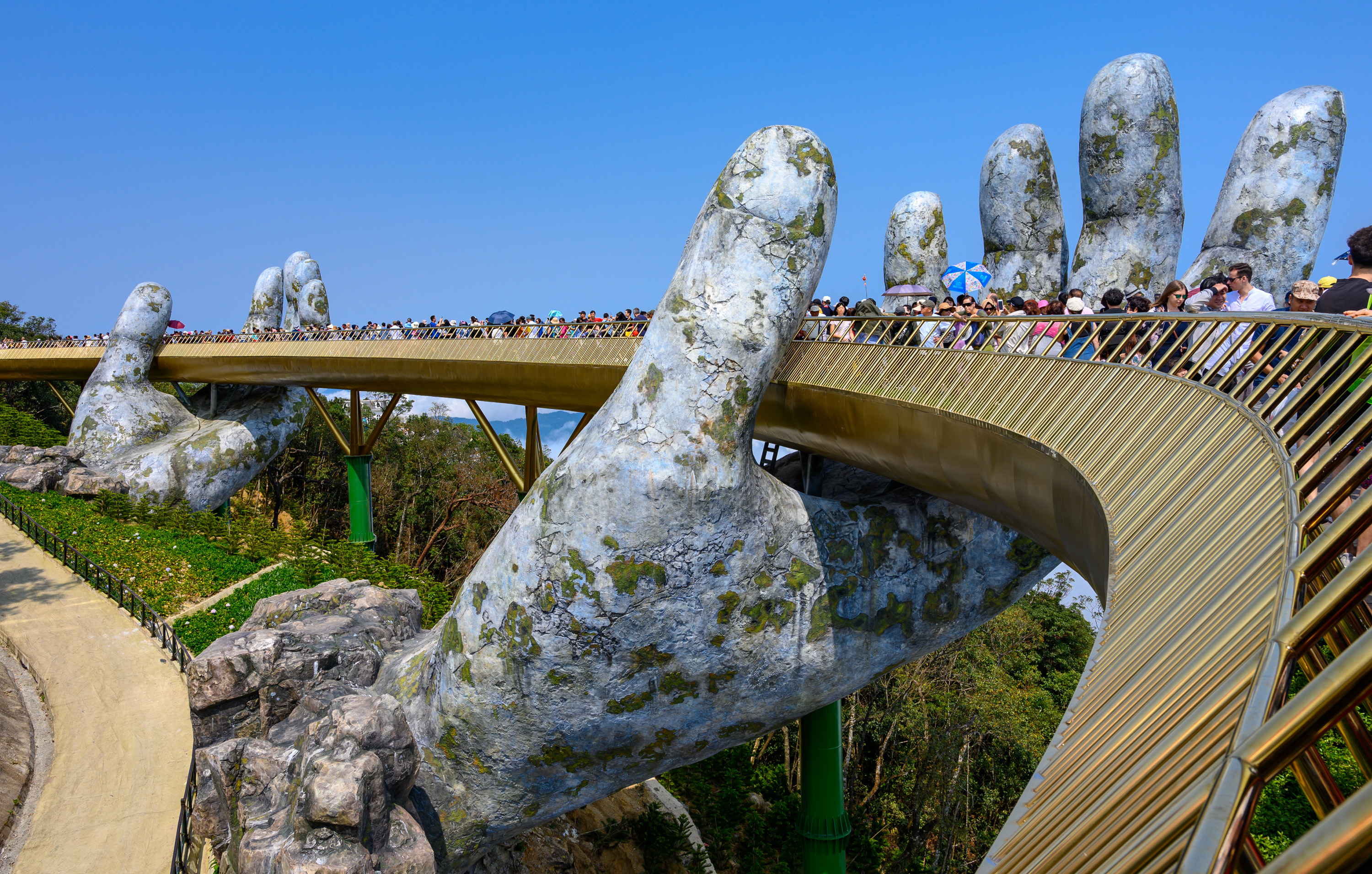
- Ngu Hanh Son (Marble Mountains)
About 20 minutes away from the city center, Ngu Hanh Son is a complex of five limestone mountains named Metal, Wood, Water, Fire, and Earth. This place has long become a prominent destination in Da Nang thanks to the harmonious combination of natural landscapes, historical values, and spiritual culture. Each mountain is associated with legends, ancient pagodas, and mysterious cave systems, creating a very unique attraction for visitors.
- Iconic Bridges of Da Nang
Da Nang is known as the “city of bridges,” each project carries its own architecture and story. Not only playing a role in connecting traffic, the bridges also become tourism symbols, contributing to the modern appearance of the city by the Han River.
Most prominent is the Dragon Bridge with a design simulating the image of a dragon reaching out to the big sea. Every Saturday and Sunday evening, the bridge attracts a large number of locals and tourists thanks to the impressive fire and water breathing performance. Besides, the rotating Han River Bridge, Tran Thi Ly Bridge with its high sails, or Thuan Phuoc Bridge spanning the estuary also bring beautiful views of the city, especially when lit up at night.
- Han Market and Con Market
To clearly feel the local life, you should spend time visiting the traditional markets of Da Nang. This is where many specialty dishes, local products, and a very characteristic trading atmosphere converge that is hard to find in modern commercial centers.
Han Market is famous for Central region specialties, dried seafood, candies, and souvenirs, while Con Market is considered a culinary paradise with dozens of delicious dishes such as Quang noodles, fish sauce noodles, sizzling pancakes, grilled pork skewers, or traditional sweet soups. Walking around these markets, visitors can not only buy gifts to bring home but also have the opportunity to understand more about the daily life of the city’s people.
- Worth-Visiting Museums
Besides famous beaches and landmarks, Da Nang also possesses many museums that help visitors better understand the history, culture, and art of the city, such as the Da Nang Museum, Cham Sculpture Museum, 3D Art in Paradise Da Nang Museum, and Da Nang Fine Arts Museum.
What to Eat When Coming to Da Nang?
Cuisine is always an indispensable part of the journey to explore the city.
Must-try dishes include:
- Quang Noodles (Mi Quang).
- Fish cake noodles.
- Fermented fish sauce noodles (Bun mam nem).
- Rice paper rolls with pork.
- Sizzling pancakes (Banh xèo).
- Grilled pork skewers (Nem lui).
- Fresh seafood.
- Nam O fish salad.
- Avocado ice cream.
- Durian sweet soup.
In addition to local eateries, Da Nang also possesses many high-end restaurants serving Vietnamese and international cuisine, suitable for many different experience needs.

A Few Tips for Independent Travel in Da Nang
To make the trip go smoothly and save time, you should plan ahead for the attractions you want to visit, especially if going during peak season or holidays. Pre-booking flights, hotels, and entrance tickets for some tourist areas will help you be more proactive in your schedule as well as have more opportunities to get good prices.
If you plan to explore many locations in a day, renting a motorbike or car will make moving more flexible. However, for destinations like Ba Na Hills or Hoi An, you can also choose day tours or shuttle services to save effort.
In addition, don’t forget to follow the weather forecast before the trip, bring sunscreen, hats, sunglasses, and comfortable clothes. For spiritual attractions like Linh Ung Pagoda or Marble Mountains, you should prepare polite attire to suit the cultural space.
Explore Da Nang Your Own Way
Da Nang is a destination that can satisfy many groups of tourists with different needs. Nature lovers will find beautiful beaches and majestic coastal mountain roads, culture enthusiasts can explore relics, traditional markets, and long-standing craft villages, while those who love relaxation will easily enjoy high-end villas by the beach.
A well-prepared independent trip will help you be more proactive in every experience and have more time to feel the beauty of the city in your own way. Whether staying for just a few days or spending a long holiday, Da Nang always brings memorable moments, from sunrise on the sea, sunset by the Han River to moments of relaxation in a peaceful resort space. This is also the reason why many tourists always want to return to this beautiful coastal city after every trip.
The Son Tra Lady Buddha Statue – Da Nang’s Symbol Of Peace
Amidst the vast natural landscape of the Son Tra Peninsula, the Lady Buddha Statue at Linh Ung Pagoda has become one of the iconic images of Da Nang. The 67-meter-tall structure stands out against the blue sky and faces the vast sea, creating a special highlight for the city’s natural scenery. Every year, this place welcomes millions of tourists and Buddhists who come to visit, pay their respects, and seek moments of peace in a tranquil space.
For many, the journey to Linh Ung Pagoda is not merely a sightseeing trip but also an opportunity to temporarily step away from the busy pace of life, immerse themselves in nature, and feel inner peace. The immense landscape of sea and sky combined with the solemn Buddhist architecture has created a unique attraction, making this place a must-visit destination when exploring Da Nang.
Where is the Son Tra Lady Buddha Statue Located?
The Lady Buddha Statue is located within the grounds of Linh Ung Bai But Pagoda, on the Son Tra Peninsula, about 10 km from the city center. From the coastal area or accommodations in Da Nang, it only takes about 20 – 30 minutes by car or motorbike to reach the pagoda. The road up to Son Tra is quite convenient, winding along the mountainside and opening up beautiful views toward the ocean.
Right from the start of the journey, visitors can feel a distinct change in the atmosphere. On one side is the lush green forest, and on the other is the vast East Sea, creating a scene that is both majestic and relaxing. Upon arriving at the pagoda grounds, the sound of ringing bells, the sea breeze, and the fresh air seem to dispel all feelings of fatigue.
Architectural Impression and Spiritual Values
The Avalokitesvara statue is approximately 67 meters tall, placed on a lotus pedestal with a diameter of about 35 meters, and is one of the largest Buddhist structures in Vietnam. Inside the statue’s body, multiple floors are arranged with solemn worship spaces, creating a unique feature in both architecture and spiritual significance.
The image of Avalokitesvara facing the sea carries a message of protection, peace, and compassion. For the coastal people, the statue is like a prayer for favorable voyages and a peaceful life. From many locations in the city or offshore, visitors can see the Buddha statue standing out against the sky, becoming a familiar landmark of Da Nang.
Surrounding the statue is a spacious pagoda campus with stone-paved courtyards, green gardens, and structures deeply rooted in Vietnamese Buddhist architecture. The space is harmoniously planned, providing a sense of serenity and helping visitors easily find relaxation throughout their visit.
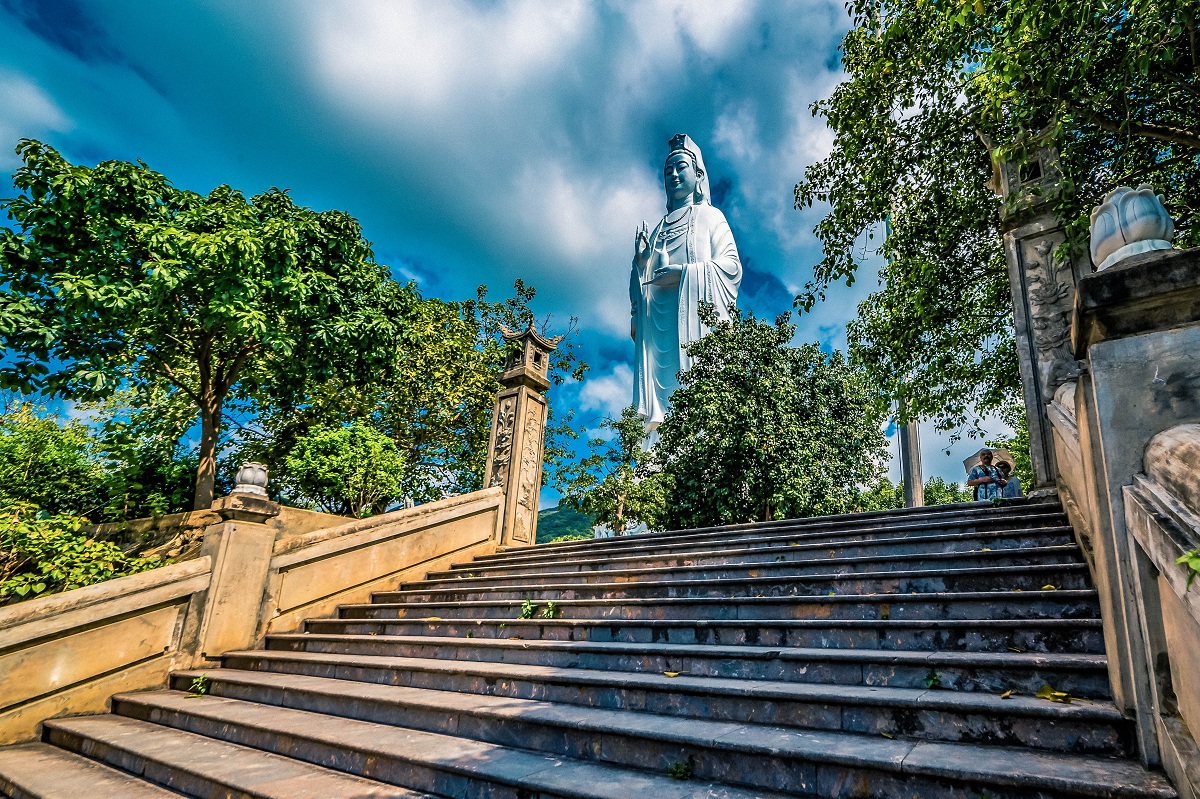
A Symbol of Peace in the Hearts of Local People
For the people of Da Nang, the Lady Buddha Statue is not only an outstanding architectural work but also a symbol closely linked to their spiritual life. Generations of fishermen have always seen the image of Avalokitesvara facing the sea as a spiritual anchor, entrusting their faith for safe and smooth sailing trips.
During major Buddhist festivals, Linh Ung Pagoda welcomes a large number of Buddhists and tourists who come to offer incense, participate in traditional rituals, and pray for health and peace for their families. Whether visiting for religious purposes or simply for sightseeing, many people feel a sense of lightness and serenity when standing before this majestic structure amidst the sea and sky of Son Tra.
Majestic Nature Surrounding Linh Ung Pagoda
One of the factors that makes Linh Ung Pagoda so attractive is its special location on the Son Tra Peninsula. From the pagoda grounds, visitors can enjoy a panoramic view of Da Nang city, My Khe beach, the long coastline, and the deep blue ocean.
The morning is an ideal time to feel the cool air and the light clouds floating over the sea. As afternoon falls, the golden sunlight covers the Buddha statue and the surrounding landscape, creating a very peaceful beauty. It is the harmony between nature and spiritual architecture that has made this place a favorite stop for many tourists on their journey to explore Son Tra.
Must-Try Experiences When Visiting Linh Ung Pagoda
In addition to admiring the Lady Buddha Statue, visitors can also spend time walking around the pagoda grounds to learn more about Buddhist architecture and enjoy the fresh atmosphere. Many viewpoints from the pagoda courtyard open up to a panoramic view of the sea and the city, perfect for taking beautiful photos or simply sitting and relaxing amidst nature.
After visiting Linh Ung Pagoda, the journey can continue to Ban Co Peak, Bai But, the thousand-year-old banyan tree, or exploring the beautiful coastal roads of the Son Tra Peninsula. Combining multiple destinations in one trip helps visitors better appreciate the diverse beauty of Da Nang, from nature and culture to local life.

Tips for Visiting the Lady Buddha Statue
To make your visit more convenient and complete, visitors should keep the following points in mind:
- Attire: Choose polite clothing when entering the pagoda area, and maintain a respectful attitude during the visit and worship process.
- Visiting time: Morning or late afternoon is the most suitable time to visit. The cool weather, beautiful light, and fewer crowds allow visitors more time to explore and take photos.
- Preparation when combining a Son Tra tour: You should bring drinking water, wear comfortable shoes, and check the weather before departing. This will make the journey more convenient, especially when traveling on the winding mountain roads around the peninsula.
Accommodation Suggestions When Exploring Son Tra
To conveniently combine visiting Linh Ung Pagoda with other famous destinations in Da Nang, many tourists choose to stay at Furama Villas Danang. From the beachfront villa area, traveling to Son Tra Peninsula, Marble Mountains, Hoi An Ancient Town, or the city center is quite convenient, making the exploration journey more flexible.
After a day of experience, returning to Furama Villas is an opportunity to enjoy a private resort space, relax by the pool, walk on Bac My An beach, or experience health care services at V-Senses Wellness & Spa. The combination of exploring nature, culture, and high-end relaxation brings a balanced vacation, where every moment is enjoyed to the fullest.
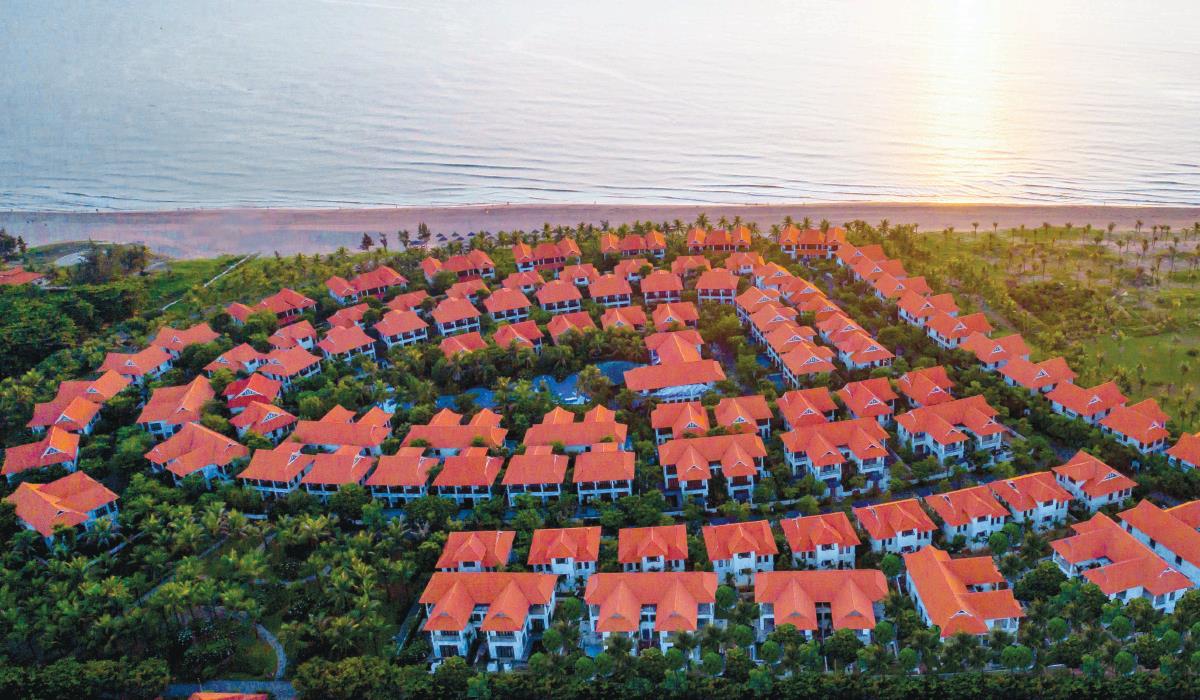
A Convergence of Nature and Spirituality
The Lady Buddha Statue at Linh Ung Pagoda has become a familiar image of Da Nang, representing peace and compassion amidst the vast sea and sky of the Son Tra Peninsula. The structure not only impresses with its massive scale but also brings a sense of relaxation to anyone who has the opportunity to visit.
If you want to discover a very different side of the coastal city, where nature, culture, and spiritual life blend in the same space, Linh Ung Pagoda is definitely a destination worth spending time to experience during your journey to explore Da Nang.

Furama Villas Da Nang – A Guide to Private Pool Villa Retreats & Top Tourist Attractions to Combine
What Is Furama Villas Da Nang – A Luxury Villa Retreat Within the Furama Complex
Furama Villas Da Nang is a luxury villa retreat located within the Furama Resort Da Nang complex, situated at 105 Vo Nguyen Giap, Ngu Hanh Son Ward, along Bac My An Beach. It is the choice for travelers who want a private, luxurious space while still enjoying the full amenities of a 5-star resort.

Unlike an ordinary hotel room, each unit at Furama Villas Da Nang is a self-contained villa with a private pool, living room, kitchen area and separate dining space. This makes the villas especially well suited to multi-generational families, groups of friends or couples who want a private, comfortable getaway that feels like home while still enjoying service to international standards.
With an open design that emphasizes connecting people with nature, the villas make the most of natural light and views over the tropical garden or the sea. This is precisely what makes Furama Villas Da Nang a keyword that many travelers search for when planning a beach getaway in Central Vietnam.
The Location of Furama Villas Da Nang – On Bac My An Beach, Near a String of Famous Destinations
Furama Villas Da Nang sits on the coastal road of Vo Nguyen Giap, one of the most beautiful routes in the city. This location means travelers are only about 15 minutes from Da Nang International Airport (roughly 5–6 km) and can easily connect to the key attractions.
|
Destination |
Distance / time |
Suggested experience |
|
Bac My An / My Khe Beach |
Right in front of the resort |
Swimming, strolling, watching the sunrise. |
|
The Marble Mountains |
About 10–15 minutes |
Exploring caves, ancient pagodas, craft villages. |
|
Hoi An Ancient Town |
About 30 minutes |
Strolling the old town, lanterns, cuisine. |
|
Ba Na Hills & the Golden Bridge |
About 45–60 minutes |
Cable car, amusement area, photo spots. |
|
The Dragon Bridge, Han River center |
About 10–15 minutes |
Discovering the city by night. |
Thanks to its central position along the coastal strip, a stay at Furama Villas Da Nang can flexibly combine villa relaxation with exploring the culture and cuisine of Central Vietnam without spending much time on the road.
Top Places to Visit on a Da Nang Trip – Combined with a Stay at Furama Villas

A major advantage of choosing Furama Villas Da Nang is that you can enjoy a private retreat at the villa while easily visiting a whole series of famous destinations within a short travel radius. Below are the places worth adding to your itinerary, arranged by how convenient they are from the resort.
1. Bac My An and My Khe Beach – right in front of the resort
The beach lies right in front of the Furama complex, convenient for swimming, strolling, watching the sunrise and taking part in water sports. This is the closest destination, ideal for starting or ending a gentle day of relaxation without traveling far from the villa.
2. The Marble Mountains – limestone peaks and ancient pagodas, about 10–15 minutes away
The Marble Mountains stand out with their limestone peaks, caves, ancient pagodas and scenic viewpoints. Because they are very close to Furama Villas, travelers can spend half a morning exploring and then return to the villa for a midday rest and to relax by the pool. Wear non-slip shoes and bring drinking water when climbing.
3. Son Tra Peninsula and Linh Ung Pagoda – forest, sea and a spiritual space
Son Tra Peninsula offers a combination of forest, sea and city views, with Linh Ung Pagoda as its highlight. It is an ideal choice for early morning or late afternoon to take in the scenery, after which you can return to Furama Villas to enjoy a quiet evening.
4. The Dragon Bridge and the Han River – the heart of Da Nang at night, about 10–15 minutes away
The Han River area is appealing in the evening with its network of bridges, urban scenery and many dining spots. You can combine the Dragon Bridge, the Love Bridge and APEC Park in one evening, then return to the villa to rest without spending much time on the road.
5. Ba Na Hills and the Golden Bridge – an amusement complex atop Nui Chua, about 45–60 minutes away
Ba Na Hills suits families and travelers who want to experience the cable car, themed architecture and the Golden Bridge. Since it is fairly far away and requires a full day, you should set aside a separate day for Ba Na, depart early from the villa and check the operating hours and ticket prices in advance on the official channels.
6. Hoi An Ancient Town – lantern heritage, about 30 minutes away
Hoi An Ancient Town, with its small streets, old-tiled roofs and shimmering lantern light, is a destination not to be missed. From Furama Villas, you can head to Hoi An in the afternoon, stroll the streets, enjoy the cuisine and return to Da Nang at night, or combine the Marble Mountains – Hoi An route in a single day.
7. The My Son Sanctuary – Cham cultural heritage, about 60–90 minutes away
For travelers who love culture and history, the My Son Sanctuary is a destination rich in the depth of Cham culture. Because the drive is longer, it is best to go early in the morning to avoid the heat and to devote a full half-day to this journey.
Suggested arrangement: spend 1–2 days of pure relaxation at the villa (private pool, spa, beach), interspersed with 1–2 days of exploring along the nearby route (the Marble Mountains – Son Tra – the Han River) and the farther route (Ba Na, or Hoi An – My Son). This arrangement helps balance relaxation and experiences, making the most of the locational advantage of Furama Villas Da Nang.
The Villa Categories at Furama Villas Da Nang – Choosing a Villa by Group Type
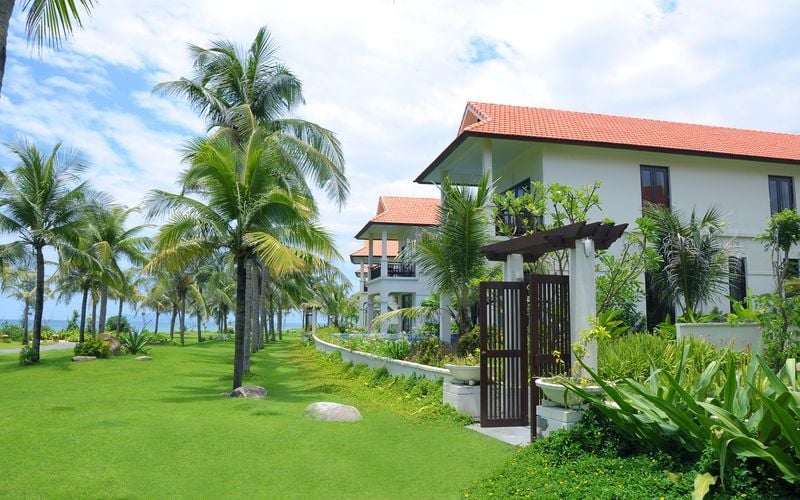
The villas at Furama Villas Da Nang offer a range of options from 2 to 4 bedrooms, including beachfront pool villas and garden pool villas. Each unit is equipped with a spacious living room, a modern kitchen, a private dining area and a private pool, suited to groups of varying sizes.
1–2 Bedroom Villa – ideal for couples and small families
The 2-bedroom villa suits couples, small families or small groups. The space is roomy enough for a private getaway while keeping costs reasonable, complete with a private pool and a cozy shared living area.
3-Bedroom Villa – a balanced choice for multi-generational families
The 3-bedroom villa is a balanced choice for families with grandparents, parents and young children. The separate bedrooms give each member their own space, while the shared living room and kitchen make it easy to gather, cook and spend time together.
4-Bedroom Villa – spacious for groups of friends and large families
The 4-bedroom villa suits larger groups of friends or extended families who want to stay together in one unit. Its large size, multiple bedrooms and private pool let the whole group enjoy a seamless getaway without having to split into several hotel rooms.
Amenities at Furama Villas Da Nang – Enjoy the Full 5-Star Ecosystem

One of the greatest advantages of Furama Villas Da Nang is that villa guests still have access to the amenities of the entire Furama complex. Notable amenities include:
● A large outdoor swimming pool along with a beach convenient for coastal activities.
● A range of restaurants and bars with diverse menus, serving Vietnamese and international cuisine.
● A spa and wellness area for a relaxing, energy-restoring experience.
● A modern gym and beach sports activities when the weather permits.
● A children’s play area, ideal for families with young children.
The staff serve to 5-star standards, assisting with everything from housekeeping and in-villa dining to advising on city discovery tours. As a result, a stay at Furama Villas Da Nang is both private and convenient, lacking none of the services of a full-fledged resort.
Who Is Furama Villas Da Nang Suited To – Suggestions by Group Type
Thanks to its private space and diverse amenities, Furama Villas Da Nang suits many different types of guests. Multi-generational families can stay together in one villa to make it easy to care for young children and elderly members. Groups of friends can choose a large villa to relax, cook and spend time together. Couples or guests seeking a quiet retreat can enjoy a private pool and a secluded space for a romantic getaway.
In addition, with the meeting rooms and event and wedding spaces within the Furama complex, the villas are also a worthwhile choice for groups combining a getaway with an event, an anniversary or a special occasion.
Tips for Booking Furama Villas Da Nang – Notes for a Complete Getaway
To have a complete getaway at Furama Villas Da Nang, travelers should keep a few points in mind:
● Book early during peak season (summer, public holidays, Tet), as the number of villas is limited and they often sell out quickly.
● Confirm the villa category, number of bedrooms, capacity and extra-guest policy clearly before booking.
● Ask in advance about check-in / check-out times, breakfast, airport transfer service and any surcharges (if applicable).
● Prioritize booking through the website or official channels to secure your benefits and avoid mix-ups with intermediaries.
● If traveling with young children or elderly members, ask about the pool amenities, safety and suitable activities.
Frequently Asked Questions About Furama Villas Da Nang (FAQ)
- Where is Furama Villas Da Nang located?
The villas are located at 105 Vo Nguyen Giap, Ngu Hanh Son Ward, along Bac My An Beach, within the Furama Resort Da Nang complex, about 15 minutes from Da Nang International Airport.
- Do the villas at Furama Villas have a private pool?
Yes. Every villa has a private pool along with a living room, kitchen and separate dining area, providing a private retreat space for families or groups of friends.
- How many types of villa does Furama Villas Da Nang have?
The resort has villa categories from 2 to 4 bedrooms, including beachfront villas and garden villas, suited to groups of various sizes. The specific number and configuration should be confirmed with the resort when booking.
- Can guests at Furama Villas use the resort’s amenities?
Yes. Villa guests can use the amenities of the entire Furama complex, such as the swimming pool, restaurants, spa, gym, children’s play area and coastal activities.
- Who is Furama Villas Da Nang suitable for?
It suits multi-generational families, groups of friends, couples and groups wishing to combine a getaway with an event or anniversary, thanks to its private space and 5-star amenities.
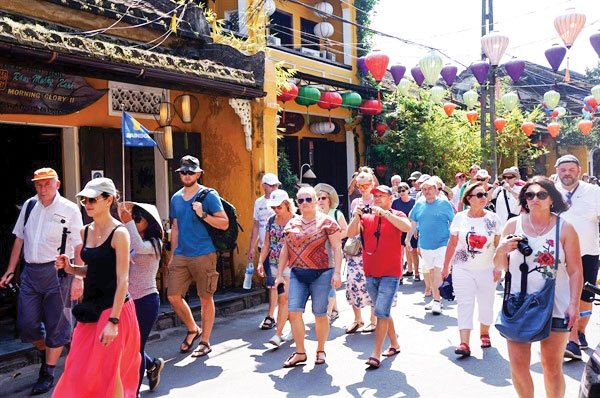
2026 WELLNESS & LEISURE TRAVEL TRENDS: WHAT IS ATTRACTING INTERNATIONAL VISITORS TO VIETNAM?
Vietnam Tourism Maintains Growth Momentum in the First 7 Months of 2026
Nearly 14 Million International Visitors and Positive Signals During the Off-Season
After 7 months, Vietnam welcomed 13.9 million international visitors, a 13.8% increase over the same period and completing about 56% of the 25 million target. July alone reached 1.67 million arrivals, up 6.6% compared to July 2025.
A positive point is that July falls within the low season for international visitors to Vietnam, yet the volume remained nearly equal to June. Compared to the 1.678 million arrivals in June, July only decreased by about 0.5%, showing that demand did not weaken significantly as the summer began.

Pressure to Achieve the Target of 25 Million International Visitors
However, while nearly 14 million visitors is a positive result, to complete the 25 million target, Vietnam must welcome approximately 11.1 million more guests in the last 5 months of the year, equivalent to an average of about 2.22 million guests per month. Meanwhile, the average for the first 7 months only reached nearly 1.99 million arrivals/month.
This means the 25 million target is still feasible but not easy. From August to December, the number of visitors needs to be about 12% higher than the average of the first 7 months. Vietnam must take excellent advantage of the year-end international peak season while avoiding shocks related to geopolitics, fuel, exchange rates, flight routes, or natural disasters.
Increasingly Diverse Structure of International Markets
China and South Korea Continue to Be the Two Pillar Markets
The market structure is becoming more diverse, but Northeast Asia remains the pillar. China continues to lead with about 3.1 million arrivals, accounting for 22.2%; South Korea stands second with 2.4 million arrivals. These two markets combined account for nearly 40% of total international visitors.
Compared to the 6-month data, in July alone, it is estimated that Vietnam welcomed approximately:
* 400,000 Chinese visitors;
* 240,000 South Korean visitors;
* 121,000 Russian visitors;
* 56,000 Japanese visitors.
These are only approximate calculations based on rounded figures in the report, but they show that China and South Korea still generate very large absolute numbers of visitors.

International Visitor Markets Expanding Beyond Northeast Asia
A point of progress is that the Top 10 is no longer focused solely on Northeast Asia. Russia, the United States, Australia, India, Cambodia, and the Philippines are all present, reflecting a more diverse international visitor market.
This is an important movement. Vietnam still needs large volumes of visitors from nearby markets to ensure aviation, hotel, and service capacity, but at the same time must develop long-haul markets to increase length of stay and spending.
Russia and Europe Create New Momentum for Vietnam Tourism
Russian Market Recovers Strongly and Surpasses Pre-Pandemic Levels
Russia is the most prominent phenomenon. Russia reached 864,000 arrivals, an increase of up to 174%, maintaining third place among source markets and ranking first in Europe.
Notably, the number of Russian visitors is now more than double that of the same period in 2019. This proves that the recovery is not just an effect of the low base in 2025, but has surpassed pre-pandemic levels.
Three factors are supporting the Russian market:
* Direct flights have been restored and increased in frequency;
* Demand for escaping winter and long-stay beach vacations;
* Vietnam has advantages in price, climate, resorts, and favorable length of stay.
However, the rapid growth rate also raises issues regarding service capacity: Russian-speaking tour guides, receptionists, customer care staff, menus, medical services, payments, and digital content in Russian have not yet kept pace. If visitor numbers increase without a corresponding increase in service capacity, Vietnam may miss the opportunity to turn Russia’s return into a sustainable market.

European Visitors Drive Trends for Long-Stay Travel and Deep Experiences
Europe increased by 53.4%: growth is showing signs of “quality improvement,” increasing by an average of 53.4%, the highest among all regions. Besides Russia, Poland increased by 51.3%, the Czech Republic by 28.6%, Sweden by 24.7%, and Switzerland by 21.7%.
This result has greater significance than the number of visitors itself.
European visitors typically have:
* Long travel distances;
* Long holidays;
* Demand for visiting multiple regions;
* Relatively high spending levels;
* Interest in culture, heritage, nature, and sustainability.
The strong growth of this group shows that the visa exemption policy is proving effective. But a visa only helps a guest decide to come. To make them stay longer, Vietnam needs more rail tourism, cycling, trekking, wellness, craft villages, agricultural experiences, community tourism, and 14–21 day multi-regional itineraries.
Therefore, the observation in a Vietnam Tourism report that Europe is showing a “shift in quality” is well-founded. However, to fully confirm this, the tourism industry needs to publish additional indicators such as length of stay, average spending, repeat rates, and revenue by market.
India and the Philippines Expand Potential for Resort Tourism and Events
India and the Philippines continue to be two priority markets. The Philippines reached 417,000 arrivals, up 63.6%, while India reached 553,000 arrivals, up 42.9%.
The Philippines has advantages in:
* Close proximity;
* Convenient English communication;
* Demand for resorts, cuisine, and shopping;
* Potential for intra-regional air connectivity.
India has greater potential in terms of scale, especially in segments such as:
* Destination weddings;
* MICE;
* Multi-generational families;
* Beach resorts;
* High-end guests;
* Cinema;
* Spiritual tourism.
With 553,000 arrivals after 7 months, India has the potential to approach or exceed the one million mark if air connectivity and products continue to expand.
But the Indian market cannot be developed through general promotion alone. Vietnam needs teams that understand rituals, vegetarian cuisine, Jain food, large group needs, event spaces, service timing, and the booking behavior of Indian guests.
Intra-ASEAN Tourism Still Has Significant Room for Growth
ASEAN is growing fast but still has great potential. Cambodia increased by 40.8%, Singapore by 31%, Indonesia by 27.3%, and Malaysia by 21.6%. This shows that intra-ASEAN tourism continues to be an important driver.
The advantages of this group are:
* Short flight times;
* Easy to develop city breaks;
* Guests likely to visit multiple times;
* Suitable for festivals, events, shopping, cuisine, and weekend entertainment.
However, Vietnam has not yet fully exploited the advantages of an ASEAN market of over 680 million people. We need more 3–5 day products, weekend flights, event tours, music, sports, food festivals, and more flexible city break packages.
Long-Haul Markets Open Opportunities to Enhance Tourism Value
The steady increase in long-haul markets is a very good signal. The United States increased by 18.3%, Canada by 25.1%, Australia by 22.5%, and New Zealand by 22.4%.
These are all markets with good spending levels and lengths of stay. Growth of over 20% from Australia, Canada, and New Zealand shows that Vietnam is gaining clearer appeal among long-haul travelers.
However, weaknesses remain:
* Lack of some direct flight routes;
* Long-stay resort products are not yet diverse enough;
* Nightlife and shopping activities are still limited;
* Intra-regional connectivity is not yet seamless;
* Marketing content tailored to each market is not deep enough.
Conditions for Vietnam to Complete the Goal of 25 Million International Visitors
To reach 25 million visitors, the last 5 months of the year must average about 2.22 million arrivals per month.
This level is high but not impossible, as January and February 2026 both exceeded 2.2 million arrivals, with January reaching about 2.45 million.
Conditions to achieve the goal include:
* China continues to recover strongly;
* South Korea remains stable;
* Russia faces no flight disruptions;
* Europe benefits from winter and visa exemptions;
* India, ASEAN, and Australia continue to grow;
* Aviation has sufficient operational capacity;
* Promotion goes hand-in-hand with products that can be sold immediately;
* Destinations do not compete through excessive price reductions.
Vietnam Tourism Needs to Shift from Increasing Visitor Numbers to Enhancing Value
The report clearly shows visitor numbers and growth rates, but has not yet answered four important questions:
How long do guests stay?
13.9 million arrivals do not yet indicate the total number of overnight stays and the differences between each market.
How much do guests spend?
Increasing European and long-haul visitors is seen as a shift in quality, but spending data is needed for verification.
Where do guests go in Vietnam?
National figures do not yet show the distribution between Hanoi, Ho Chi Minh City, Da Nang, Khanh Hoa, Phu Quoc, Hue, and new destinations.
Do guests return?
The ratio of first-time vs. repeat visitors is a very important indicator for a mature destination.
Therefore, the next phase of Vietnam’s tourism statistics should supplement KPIs for length of stay, visitor spending, repeat rate, and revenue per visitor, instead of just focusing on the number of entries.
Linking Destination Ecosystems for Longer Stays and More Experiences
According to Mr. Nguyen Duc Quynh, Vice Chairman of the Vietnam Hotel Association, the result of nearly 14 million international visitors in the first 7 months shows that policies on visas, aviation connectivity, and tourism promotion are proving effective. However, to maintain sustainable growth momentum, the tourism industry needs to shift from the mindset of promoting individual destinations to building linked destination ecosystems. Each locality needs to develop characteristic products such as beach resorts, heritage, culture, cuisine, wellness, golf, community tourism, or ecology, while connecting them into multi-regional itineraries so that visitors stay longer, experience more, and return many times. According to him, this approach not only helps increase the length of stay and spending levels of tourists but also distributes visitor flows more reasonably, reducing pressure on overcrowded destinations while creating development opportunities for many localities with high potential that have not been adequately exploited.

13.9 million visitors is an encouraging result. But the more important figure will be the amount of value those visitors leave behind for hotels, restaurants, retail, transportation, culture, the community, and the local economy.
In other words: “The target of 25 million visitors is still important to absorb supply and create jobs. But the measure of Vietnam tourism’s maturity must be that each guest stays longer, spends more, and has more reasons to return.”
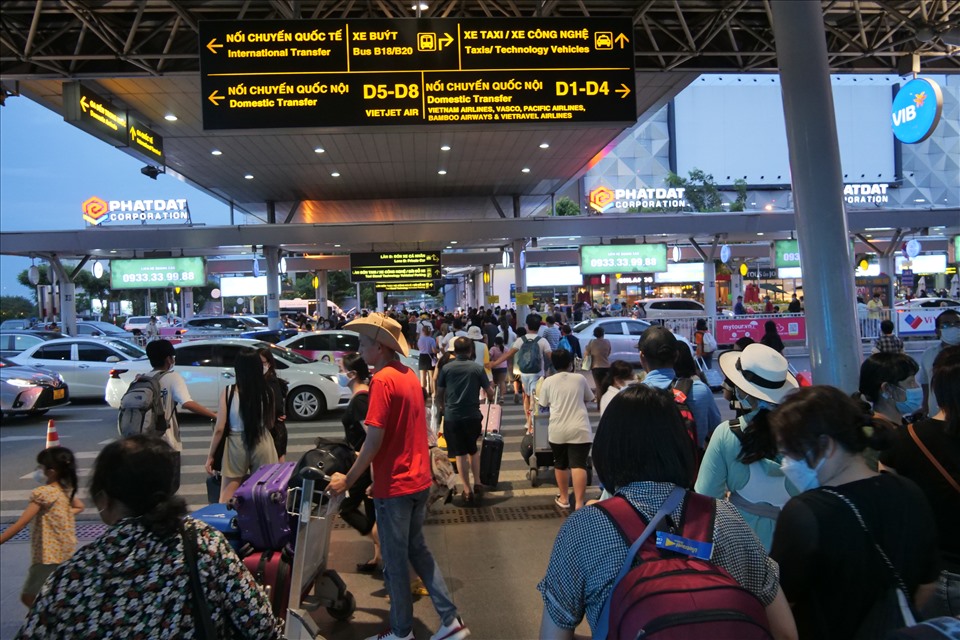
Vietnam’s Tourism in the First 7 Months of 2026: Positive Momentum, but Scaling 25 Million Visitors Remains a Challenge
13.9 million visitors and the puzzle for the last 5 months
After 7 months, Vietnam welcomed 13.9 million international visitors, an increase of 13.8% over the same period and completing about 56% of the 25 million target. July alone reached 1.67 million arrivals, up 6.6% compared to July 2025.
A positive point is that July belongs to the low season for international visitors to Vietnam, but the number of visitors was still nearly equal to June. Compared to the 1.678 million arrivals in June, July only decreased by about 0.5%, showing that demand did not weaken significantly when entering the summer.
However, while nearly 14 million visitors is a positive result, to complete the goal of 25 million arrivals, Vietnam still has to welcome about 11.1 million more visitors in the last 5 months of the year, equivalent to an average of about 2.22 million visitors per month. Meanwhile, the average for the first 7 months only reached nearly 1.99 million arrivals/month.
This means the 25 million target is still feasible but not easy. From August to December, the number of visitors needs to be about 12% higher than the average of the first 7 months. Vietnam must take very good advantage of the year-end international peak season, while avoiding shocks regarding geopolitics, fuel, exchange rates, flight routes, or natural disasters.

Northeast Asia continues to be the pillar of the international market
The market structure is becoming more diverse, but Northeast Asia remains the pillar. China continues to lead with about 3.1 million arrivals, accounting for 22.2%; South Korea ranks second with 2.4 million arrivals. These two markets combined account for nearly 40% of total international visitors.
Compared to the 6-month data, in July alone, it is estimated that Vietnam welcomed approximately:
- 400,000 Chinese visitors;
- 240,000 South Korean visitors;
- 121,000 Russian visitors;
- 56,000 Japanese visitors.
This is only an approximate calculation based on rounded figures in the report, but it shows that China and South Korea still generate very large absolute numbers of visitors.
A point of progress is that the Top 10 is no longer just focused on Northeast Asia. Russia, the United States, Australia, India, Cambodia, and the Philippines are all present, reflecting a more diverse international visitor market.
This is an important movement. Vietnam still needs a large number of visitors from nearby markets to ensure aviation, hotel, and service capacity, but at the same time must develop long-haul markets to increase length of stay and spending.

Russia becomes the most prominent phenomenon
Russia is the most prominent phenomenon. Russia reached 864,000 arrivals, an increase of up to 174%, maintaining third place among source markets and ranking first in Europe.
Notably, the number of Russian visitors is now more than double that of the same period in 2019. This proves that the recovery is not just an effect from the low base of 2025, but has exceeded pre-pandemic levels.
Three factors are supporting the Russian market:
- direct flights have been restored and frequency increased;
- demand for avoiding winter and long-term beach vacations;
- Vietnam has advantages in price, climate, resorts, and favorable length of stay.
However, the rapid growth rate also poses problems regarding service capacity: Russian-speaking tour guides, receptionists, customer care staff, menus, medical services, payments, and digital content in Russian have not yet kept pace. If only the number of visitors increases without increasing service capacity, Vietnam may miss the opportunity to turn Russia’s return into a sustainable market.

Europe grows strongly and signs of “quality improvement”
Europe increased by 53.4%: growth is showing signs of “quality improvement,” increasing by an average of 53.4%, the highest among regions. Besides Russia, Poland increased by 51.3%, the Czech Republic 28.6%, Sweden 24.7%, and Switzerland 21.7%.
This is a result with greater significance than the number of visitors itself.
European visitors usually have:
- long travel distances;
- long holidays;
- demand for visiting many regions;
- relatively high spending levels;
- interest in culture, heritage, nature, and sustainability.
The strong growth of this group shows that the visa exemption policy is proving effective. But a visa only helps guests decide to come. To make them stay longer, Vietnam needs more rail tourism, cycling, trekking, wellness, craft villages, agricultural experiences, community tourism, and 14–21 day inter-regional itineraries.
Therefore, the assessment in a Vietnam Tourism newsletter that Europe is showing a “shift in quality” is well-founded. However, to fully confirm this, the tourism industry needs to publish more indicators such as length of stay, average spending, repeat rates, and revenue by market.
India and the Philippines continue to be two priority markets
India and the Philippines continue to be two priority markets
The Philippines reached 417,000 arrivals, up 63.6%, while India reached 553,000 arrivals, up 42.9%.
The Philippines has advantages:
- close distance;
- favorable English communication;
- demand for relaxation, cuisine, and shopping;
- potential for intra-regional air connectivity.
India has greater potential in terms of scale, especially in segments:
- destination weddings;
- MICE;
- multi-generational families;
- beach resorts;
- high-end guests;
- cinema;
- spiritual tourism.
With 553,000 arrivals after 7 months, India has the potential to approach or exceed the one million mark if air connectivity and products continue to expand.
But the Indian market cannot develop just through general promotion. Vietnam needs teams that understand rituals, vegetarian cuisine, Jain food, large group needs, event spaces, service timing, and the booking behavior of Indian guests.

ASEAN growing fast but still has room
ASEAN is growing fast but still has great potential. Cambodia increased by 40.8%, Singapore 31%, Indonesia 27.3%, and Malaysia 21.6%. This shows that intra-regional ASEAN tourism continues to be an important driver.
The advantages of this group are:
- short flight times;
- easy to develop city breaks;
- guests likely to visit multiple times;
- suitable for festivals, events, shopping, cuisine, and weekend entertainment.
However, Vietnam has not yet fully utilized the advantages of an ASEAN market of more than 680 million people. We need more 3–5 day products, weekend flights, event tours, music, sports, food festivals, and more flexible city break packages.
Positive signals from long-haul markets
The steady increase in long-haul markets is a very good signal. The United States increased by 18.3%, Canada 25.1%, Australia 22.5%, and New Zealand 22.4%.
These are all markets with good spending levels and lengths of stay. Growth of over 20% from Australia, Canada, and New Zealand shows that Vietnam is gaining more attraction among long-haul visitor groups.
However, weaknesses remain:
- lack of some direct flight routes;
- long-stay resort products are not diverse enough;
- night activities and shopping are still limited;
- inter-regional connectivity is not seamless;
- marketing content for each specific market is not deep enough.

Conditions to complete the 25 million visitor target
To reach 25 million visitors, the last 5 months must average about 2.22 million arrivals per month.
This level is high but not impossible, as January and February 2026 both exceeded 2.2 million arrivals, with January reaching about 2.45 million.
Conditions to achieve the goal include:
- China continues to recover strongly;
- South Korea maintains stability;
- Russia faces no flight disruptions;
- Europe benefits from winter and visa exemptions;
- India, ASEAN, and Australia continue to grow;
- aviation has enough operational capacity;
- promotion goes hand-in-hand with immediately sellable products;
- destinations do not compete through excessive price reductions.
Four gaps in the tourism statistics system
The report clearly shows the number of visitors and growth rates, but has not yet answered four important questions:
How long do guests stay?
13.9 million arrivals do not yet indicate the total number of overnight stays and the differences between each market.
How much do guests spend?
Increasing European and long-haul visitors is seen as a shift in quality, but spending data is needed for verification.
Where do guests go in Vietnam?
National figures do not yet show the distribution between Hanoi, Ho Chi Minh City, Da Nang, Khanh Hoa, Phu Quoc, Hue, and new destinations.
Do guests return?
The ratio of first-time vs. returning guests is a very important indicator for a mature destination.
Therefore, the next stage of Vietnam’s tourism statistics should add KPIs on length of stay, visitor spending, repeat rate, and revenue per visitor, instead of just focusing on the number of entries.
From promoting individual destinations to building a linked ecosystem
According to Mr. Nguyen Duc Quynh, Vice Chairman of the Vietnam Hotel Association, the result of nearly 14 million international visitors in the first 7 months shows that policies on visas, aviation connectivity, and tourism promotion are proving effective. However, to maintain sustainable growth, the tourism industry needs to shift from the mindset of promoting individual destinations to building a linked destination ecosystem. Each locality needs to develop characteristic products such as beach resorts, heritage, culture, cuisine, wellness, golf, community, or eco-tourism, while connecting them into inter-regional itineraries so that tourists stay longer, experience more, and return many times. According to him, this approach not only helps increase the length of stay and spending of tourists but also distributes visitor flows more reasonably, reducing pressure on overloaded destinations, while creating development opportunities for many localities with high potential that have not been adequately exploited.

From visitor numbers to value left for the economy
13.9 million visitors is an encouraging result. But the more important figure will be the amount of value those tourists leave for hotels, restaurants, retail, transport, culture, the community, and the local economy.
In other words: “The goal of 25 million visitors is still important to absorb supply and create jobs. But the measure of maturity for Vietnam’s tourism must be each guest staying longer, spending more, and having more reasons to return.”

Strolling Through Da Nang’s Authentic Traditional Markets
Da Nang is known for its beautiful beaches, iconic bridges, and many world-class resorts. However, alongside those famous attractions, traditional markets always hold a very special place in the lives of local people. This is where the rhythm of daily life is most evident, where visitors can feel the authentic atmosphere of the city through every stall, every dish, and everyday stories.
Each market carries its own color, from those located in the city center to coastal markets or those near long-standing fishing villages. Walking around the markets, you will easily encounter fresh products of Central Vietnam, rustic dishes, and the friendliness and hospitality of the local people. It is these simple things that create a very unique attraction that not every tourist destination can offer.
If you want to explore Da Nang in a more intimate way, spend time visiting the traditional markets below to feel the everyday beauty of this coastal city.
Why Do Traditional Markets Always Have Such An Attraction?
Despite the growing development of supermarkets and shopping malls, traditional markets always maintain their own vitality. This is where local people buy and sell every day, and it is also a space that clearly reflects the culture, living habits, and culinary style of Da Nang. Every morning, shipments from the sea and neighboring countryside are brought to the market, creating a bustling and energetic scene.
Walking through the market, visitors can come across stalls of freshly harvested vegetables, fresh seafood, traditional cakes, or dishes prepared on the spot. The street cries, the vibrant pace of buying and selling, and the openness of the small traders bring a sense of closeness and authenticity. It is this atmosphere that makes many people consider visiting the market an indispensable part of their journey to discover Da Nang.
1. Han Market
Located right in the city center, Han Market is one of the oldest and most famous markets in Da Nang. Thanks to its convenient location near the Han River and many prominent attractions, it always welcomes a large number of domestic and foreign tourists every day. The market has the characteristics of a traditional market but is still very neat, easy to visit, and shop.
The stalls at Han Market sell a variety of items from Central Vietnamese specialties, dried seafood, traditional fermented sauces to clothing, souvenirs, and handicrafts. Besides that is the food court with many familiar dishes such as Mi Quang, banh beo, bun mam nem, or traditional sweet soups. Just spending a morning walking around Han Market, you can fully feel the flavor and culture of the city.

2. Con Market
When mentioning Da Nang cuisine, Con Market is always the first name many people suggest. This is a familiar meeting point for locals as well as tourists who want to enjoy delicious dishes at reasonable prices. The atmosphere in the market is always bustling from morning to night, especially during lunch and afternoon hours.
The food court gathers dozens of stalls selling Central Vietnamese specialties such as banh xeo, nem lui, bun thit nuong, bun mam nem, sweet soups, and many traditional cakes. Each stall has its own flavor, preserved over many years, so it always attracts a large number of diners. For many, Con Market is the ideal place to start a culinary discovery journey in Da Nang.

3. Bac My An Market
Located near universities and coastal tourist areas, Bac My An Market has long been a familiar destination for students as well as street food lovers. Although the scale is not too large, the market still makes its own mark thanks to a diverse food area with many famous delicious dishes that have been associated with many generations.
Avocado ice cream, bun mam nem, grilled rice paper, sucking snails, or banh xeo are dishes that always attract a large number of diners. Reasonable prices and a youthful atmosphere make this place particularly vibrant every afternoon and evening. This is also a place for visitors to feel the dynamic rhythm of Da Nang through rustic dishes and lively conversations between sellers and buyers.
4. Man Thai Market
Located at the foot of the Son Tra Peninsula, Man Thai Market bears the deep imprint of a coastal fishing village. Every afternoon, when the fishing boats return, the market becomes bustling with many types of seafood just brought from the sea to the shore. The buying and selling scene takes place quickly but still maintains the very own rustic character of the Da Nang sea area.
Visitors can find many types of shrimp, crabs, flower crabs, squid, fish, and seasonal seafood with characteristic freshness. If you want to learn about the lives of local fishermen or discover a peaceful corner of the city, Man Thai Market is a stop worth experiencing.
5. Tho Quang Wholesale Market
If you want to feel the working rhythm of Da Nang from early morning, Tho Quang Wholesale Market is a place worth visiting. Before dawn, hundreds of fishing boats have docked at the port, bringing a large amount of seafood to be distributed to markets and restaurants in the city. The urgent atmosphere and continuous working rhythm create a vibrant picture of labor.
This is not a market for regular shopping activities but a place that helps visitors observe the activities of the seafood industry – an important part of the economic life of Da Nang. Those who love photography or want to capture authentic moments of the coastal city will find many very interesting perspectives here.

Interesting Things That Can Only Be Found At Traditional Markets
What creates the attraction of Da Nang markets lies not only in the goods on display but also in the very everyday cultural values. Every friendly greeting, every stall that has been around for decades, or cooking recipes passed down from generation to generation all contribute to creating the city’s very own identity.
Many tourists choose to spend a morning or an afternoon wandering the market, enjoying a few dishes, chatting with small traders, and observing the rhythm of daily life. It is these simple experiences that make the trip closer and leave more emotions than just visiting famous attractions.
Accommodation Suggestions When Exploring Da Nang Markets
To conveniently combine visiting traditional markets with many other famous destinations of the city, many tourists choose to stay at Furama Villas Da Nang. The resort villa area is located next to Bac My An Beach, making travel to Han Market, Con Market, Bac My An Market, or the Son Tra area easy. This is also a convenient location to combine local cultural experiences and relaxation in the same journey.
After a day of exploring bustling markets, returning to Furama Villas Da Nang is when the whole family or group of friends can enjoy private villa space, a private swimming pool, a green garden, and the facilities of the Furama resort complex. The vibrant rhythm of the city gradually gives way to a peaceful atmosphere by the sea, bringing a balance between discovery experiences and relaxing time.
Discover Da Nang Through Markets Imbued With Local Breath
Each traditional market preserves a part of the story about the people, culture, and rhythm of life in Da Nang. From the bustling Han Market in the center, Con Market with a rich culinary paradise, the youthful Bac My An Market to the fishing village-style Man Thai Market, all contribute to creating a multi-colored picture of the coastal city.
If you want to understand Da Nang in a more intimate way, spend time stepping into those markets, listening to the sounds of daily life, enjoying rustic dishes, and feeling the hospitality of the local people. These simple experiences will help make the trip more memorable, while providing an authentic perspective on a Da Nang that is both modern and preserves traditional values over the years.